
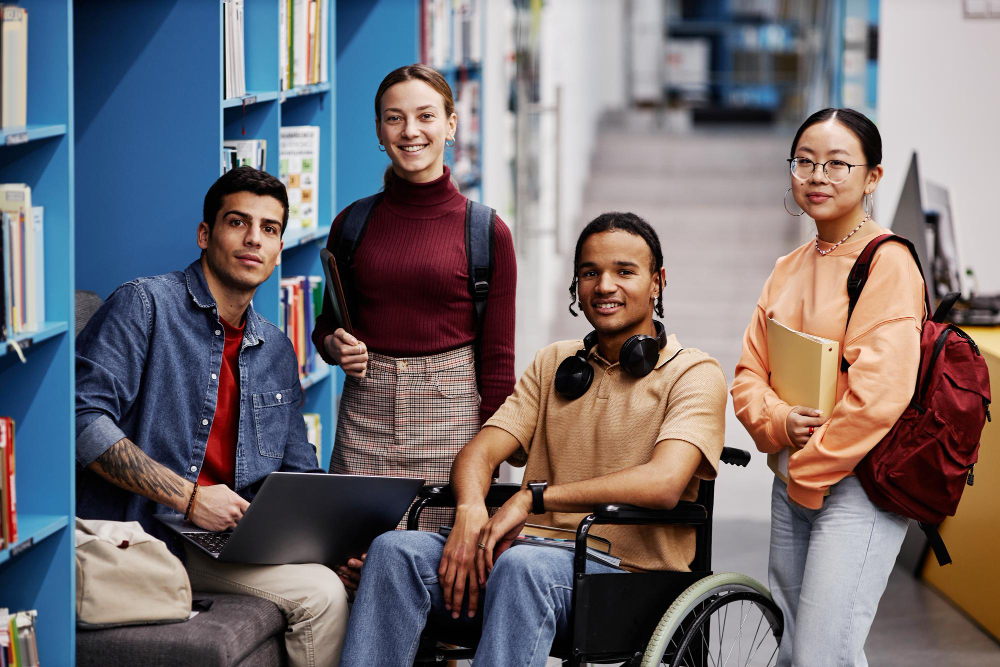
Over the past few years, special education in the United States has been changing in many ways. According to the National Center for Education Statistics, around 7.5 million students in the United States receive special education services, which is about 15% of all public-school students. At the same time, schools are dealing with new policies, using more technology, and focusing more on inclusion. Because of this, the way support is planned and delivered is slowly shifting. Let’s discuss in detail the key changes shaping the special education in the United States and what comes next.
Rising Demand for Special Education Services
The number of students receiving support under the Individuals with Disabilities Education Act (IDEA) continues to grow. More children are being identified with learning disabilities, autism, and emotional or behavioral conditions.
This growth is clear over time, with the number of students increasing from about 6.4 million a decade ago to nearly 7.5 million today. Conditions like autism are being identified more frequently, with recent estimates showing that about 1 in 36 children in the United States are diagnosed with autism.
At the same time, families are more aware of their rights and are actively seeking proper evaluations and services. This increases pressure on schools to deliver timely and high-quality support.
This demand is also linked to rising mental health concerns. Many schools report more referrals connected to anxiety, trauma, and social-emotional needs. While data is still evolving, this trend is widely observed. As a result, schools need not only special education teachers but also counselors, behavior specialists, and service providers.
Policy and Legal Shifts
At the policy level, there is a gradual shift from a compliance-only approach to a stronger focus on outcomes and equity. Guidance from the U.S. Department of Education highlights the need for better data, improved program quality, and stronger monitoring.
However, compliance still plays an important role in practice. Schools must balance legal requirements with meaningful educational results.
Legal updates are also expanding protections for students with disabilities, including support for conditions like dyslexia and access to compensatory education. At the same time, ongoing discussions around funding and school choice are pushing states to rethink how services are delivered across public, charter, private, and online settings.
Inclusion and Universal Design for Learning
Inclusion remains a strong and growing trend. Many schools are increasing co-teaching models and reducing separate classroom time for students with disabilities.
For example, frameworks like Universal Design for Learning (UDL) are being widely adopted. UDL encourages teachers to design lessons that offer multiple ways for students to engage, understand, and respond.
While UDL shows promise in improving access and participation, its effectiveness often depends on how well it is implemented. When used properly, it can reduce stigma and support a wider range of learners.
Multi-Tiered Systems of Support and Behavior Frameworks
Schools are strengthening systems such as Multi-Tiered Systems of Support (MTSS) as well as Positive Behavioral Interventions and Supports (PBIS). These frameworks aim to identify student needs early and provide support before challenges become severe. They promote regular progress monitoring, data-based decisions, and collaboration between teachers.
However, implementation can be complex. While these systems are effective in many cases, schools may face challenges in applying them consistently.
Schools are also integrating trauma-informed practices and social-emotional learning into these frameworks, helping students build both academic and emotional skills.
Staffing Shortages and New Service Models
Shortages of special education teachers continue to affect many districts, especially in rural and high-need areas. To respond, schools are adopting new service models.
Teletherapy and hybrid services are now a stable part of the system. Schools use virtual platforms for IEP meetings, speech therapy, occupational therapy, and behavior support.
States are also investing in “grow-your-own” programs. These programs help paraprofessionals and general teachers move into special education roles through alternative certification pathways.
Technology and Assistive Tools
Technology is obviously changing how special education services are delivered. AI-based tools are being used to identify early reading challenges and provide personalized practice activities.
Assistive technologies such as speech-to-text, text-to-speech, AAC devices (Augmentative and Alternative Communication), and virtual reality tools are becoming more common. These tools support students with communication, sensory, or executive-function challenges.
They help students take part more fully in classroom learning and improve access to grade-level content.
Personalized Learning and Family Empowerment
There is a growing focus on student-centered learning. Schools are moving away from one-size-fits-all models and designing IEPs based on each student’s strengths, interests, and long-term goals.
While full personalization is still developing, many districts are working toward more flexible approaches.
Families are also becoming key partners. Schools now offer more options, including specialized programs, magnet schools, and online learning environments.
Parent advocacy groups and legal support systems are helping families better understand their rights and take part in decision-making.
Early Intervention and Life-Skills Focus
There is increasing emphasis on early intervention, especially in language, literacy, and social-emotional development. Research shows that early support can improve long-term outcomes.
Transition planning is also evolving. Instead of starting late in high school, it is now introduced earlier. Students are given access to work experience, skill training, and certification opportunities.
This helps them prepare for employment, independent living, and further education.
Equity, Disparities, and Access
Despite progress, gaps still exist. Students from certain backgrounds, including low-income communities and minority groups, may face unequal identification and access to services.
Access to quality programs and assistive tools also varies across regions.
To address this, governments are improving data collection and monitoring systems. Schools are expected to show that their programs are inclusive, culturally responsive, and evidence-based.
The long-term goal is to provide fair and consistent support for all students.
Mental Health, Well-Being, and School Climate
There is a strong focus on mental health in special education. Schools are working more closely with psychologists, social workers, and community organizations.
They provide counseling, crisis support, and behavior plans tailored to student needs.
Trauma-informed teaching and social-emotional learning are now part of everyday classroom practice. These approaches help create safe and supportive environments and reduce discipline issues.
Looking Ahead: What These Trends Mean
These trends suggest a shift toward a more inclusive and flexible education system. Special education is becoming more connected to general education through shared practices and support systems.
Schools will need to invest in teacher training, better data systems, and flexible service models. Strong partnerships with families will also be important.
For parents, staying informed about policies and services can help them support their children effectively. For educators, using inclusive methods, structured support systems, and technology will be key.
In the United States, the future of special education depends on balance. Schools must meet legal requirements while also adapting to new ideas and innovations. Most importantly, they must keep student learning, well-being, and long-term success at the center of every decision.
For those looking to build the skills needed in this evolving field, programs like the M.Ed. in Special Education offer a structured pathway to understand inclusive practices, modern teaching methods, and student support systems.