
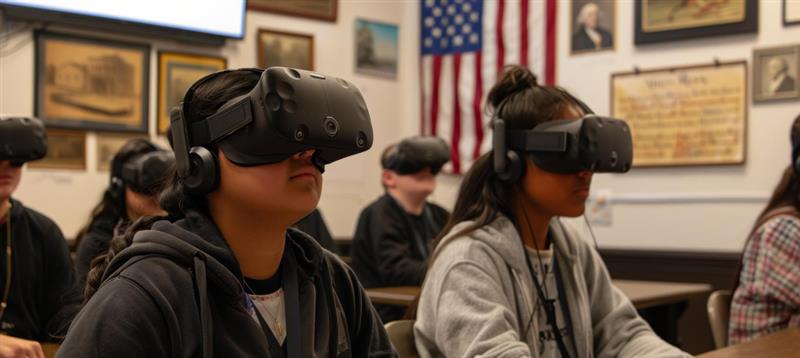
Educational technology has already become an important part of learning across the United States. Schools are using digital learning tools to support different learning styles, improve student engagement, and help teachers manage lessons more effectively.
The use of EdTech is expected to grow further in 2026. From AI-powered learning platforms to interactive classroom technology, schools are finding practical ways to make learning more flexible and accessible. These tools help students learn at their own pace while giving teachers better insights into student progress.
At the same time, educators need to understand how to use technology in a way that supports learning without making lessons dependent on screens. This is why teacher training and professional development continue to play an important role.
Let’s discuss in detail the main educational technology trends shaping classrooms in 2026 and how Acacia University helps educators prepare for these changes.
How Schools Are Adopting Educational Technology
Schools across the country are looking for ways to meet the needs of students with different learning abilities and preferences. While traditional teaching methods remain important, many schools are now using digital learning tools to provide additional support. According to the National Center for Education Statistics (NCES), 88% of public schools had a one-to-one computing program for the 2024-25 school year, providing students with a school-issued laptop or tablet for learning activities.
Some students learn best through classroom discussions. Others understand concepts more easily through videos, interactive exercises, or visual content. Educational technology makes it easier for teachers to support these different learning styles without completely changing their lesson plans.
Many schools are also using AI in education to support learning activities. Students use AI tools for research, practice exercises, and study support. Teachers use digital platforms to prepare lessons, create assessments, and monitor student performance.
As access to technology improves, more schools are finding ways to include educational technology in their daily teaching practices.
Why Classrooms Are Becoming More Flexible
One of the biggest changes in modern education is the way lessons are delivered. Many classrooms now combine traditional teaching methods with digital learning experiences.
Teachers may use interactive displays, online learning platforms, educational apps, and digital assessments as part of their lessons. Students often move between group activities, independent learning tasks, and technology-supported exercises throughout the school day.
This flexibility allows teachers to use different approaches depending on the needs of their students.
Classroom technology also provides valuable information about student progress. Many digital platforms offer real-time feedback that helps teachers identify learning gaps and provide support before students fall behind.
Not every student needs the same level of support. Educational technology makes it easier to adjust lessons and provide additional help without drawing attention to students who may need more time.
Personalized Learning Is Becoming More Common
Personalized learning continues to be one of the most discussed educational technology trends in 2026.
Instead of expecting every student to learn at the same pace, schools are using technology to provide learning experiences that match individual needs. Students who need additional support can access extra resources, while those who are ready for more advanced material can move ahead.
Adaptive learning platforms are making this possible in many schools. These systems use student performance data to recommend activities and learning paths based on individual progress.
This approach helps students stay engaged and gives teachers a clearer understanding of where support is needed.
Helping Students Develop Real-World Skills
Schools want students to leave the classroom with skills they can use beyond exams and assignments. Educational technology supports this goal by creating opportunities for more practical learning experiences.
Virtual science labs allow students to conduct experiments in a safe environment. Coding platforms introduce problem-solving and logical thinking. Simulations help students understand real-world situations related to business, economics, history, and other subjects.
These tools give students opportunities to apply what they learn rather than simply memorising information.
Technology does not replace teacher-led instruction. Instead, it helps students explore concepts in different ways and build confidence through practice.
Educators interested in modern teaching strategies can explore Acacia University’s education programs to learn how technology can support skill development in today’s classrooms.
Supporting Student Well-Being Through Technology
Schools are paying more attention to student well-being than they did in the past. Educators understand that emotional well-being can affect academic performance, classroom participation, and overall learning outcomes.
Many schools now use digital tools that help teachers identify students who may need additional support. These tools often include simple check-ins that allow students to share how they are feeling.
Technology is also improving communication between schools and families. Parents can access information about assignments, attendance, upcoming activities, and academic progress through online platforms.
This helps families stay informed and more involved in their child’s learning journey.
Educational technology is not only supporting academic success. It is also helping schools create stronger connections between students, teachers, and families.
How Acacia University Helps Educators Prepare for These Changes
Many teachers understand the value of educational technology but want guidance on how to use it effectively.
Acacia University focuses on helping educators apply technology in practical ways. The programs are designed around real classroom situations and help teachers understand how digital tools can support learning goals.
Faculty members examine how students respond to different learning technologies and how educators can use these tools to improve engagement and learning outcomes.
The focus is not on using technology for every activity. The focus is on using the right tools at the right time.
Acacia University’s education degree programs help educators build confidence in areas such as digital learning, student engagement, classroom technology, and modern teaching practices.
What Schools Are Focusing on in 2026
Several educational technology trends are expected to influence schools throughout 2026 and beyond.
Some of the key areas of focus include:
- AI-powered learning platforms
- Personalized learning experiences
- Adaptive learning systems
- Digital literacy education
- Virtual and augmented reality tools
- Data-driven teaching strategies
- Cybersecurity and student data protection
- Teacher professional development in educational technology
School districts are also investing in training programs that help teachers combine technology with traditional teaching methods in effective ways.
These efforts show that educational technology is becoming a long-term part of modern education rather than a temporary trend.
Frequently Asked Questions About EdTech in 2026
What is EdTech in education?
EdTech, or educational technology, refers to digital tools and platforms used to support teaching and learning. Examples include learning management systems, educational apps, virtual classrooms, and AI-powered learning tools.
How is AI being used in education?
AI is being used to provide personalised learning experiences, automate routine tasks, create learning materials, and help teachers identify students who may need additional support.
What are the main educational technology trends in 2026?
Some of the leading trends include AI in education, personalized learning, adaptive learning platforms, digital literacy programs, virtual learning experiences, and improved cybersecurity measures.
Can educational technology improve student engagement?
Yes. Interactive learning tools, educational apps, and personalised learning experiences can help students stay engaged and participate more actively in lessons.
Why do teachers need training in educational technology?
Teachers need training to understand which tools are most effective, how to use them in the classroom, and how to balance technology with traditional teaching methods.
How can educators prepare for the future of digital learning?
Professional development programs and education degree programs can help educators build the skills needed to use educational technology effectively and support student success.
Preparing for the Future of Education
Educational technology will continue to evolve in 2026. Schools are adopting digital learning tools that support student engagement, personalized learning, and better communication between educators and families.
As these changes continue, educators need practical knowledge and skills that help them use technology with confidence.
Acacia University supports educators through programs designed for today’s classrooms. From understanding digital learning tools to improving student engagement strategies, the university helps teachers prepare for the changing needs of education.
Explore Acacia University’s education degree programs to learn how you can build the skills needed for modern teaching and contribute to the future of education.