When I first began teaching internationally, I learned very quickly that passion alone is not enough. Many of the educators around me were bright, committed, and deeply invested in their students—but they lacked formal training in pedagogy. Knowing a subject is very different from knowing how to teach it well, especially in multilingual and multicultural classrooms. At the same time, traditional university pathways were often inaccessible for educators working abroad: expensive, inflexible, slow to respond, and disconnected from the realities of daily school life. I needed professional learning that was practical, responsive, and built for real educators—not just ideal circumstances.
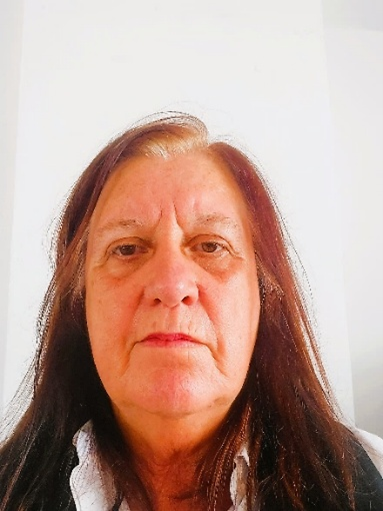
That was when Acacia entered my life—Cynthia Tschanzand why I remain deeply loyal to it today.
I was one of the earliest students enrolled when Acacia University was just beginning. In those early days, the vision was clear: provide meaningful, high-quality educator preparation that respected working professionals and valued practical application. I didn’t feel like a number in a system; I felt like part of something being built with intention. That sense of partnership has stayed with me ever since.
What immediately set Acacia apart was flexibility. Acacia understood that educators do not live tidy, predictable lives. We work full time. We serve students across time zones and cultures. Sometimes we study at 4:00 a.m., sometimes at 4:00 p.m., and sometimes life simply takes priority. Acacia respected that reality. I could move at a pace that worked for me, double up on courses when time allowed, and step back when needed—without guilt or penalty.
Equally important was the usefulness of the coursework. These were not abstract theories meant to sit on a shelf. Courses in curriculum and assessment, classroom management, child and adolescent development, English language learners, and leadership directly shaped how I taught, coached teachers, and led schools. What I learned showed up immediately in my classrooms, meetings, and accreditation work. I wasn’t learning for a grade—I was learning for Monday morning.
The feedback made all the difference. Acacia instructors were present, responsive, and genuinely invested in helping students grow. I was challenged to think more deeply, reflect honestly, and improve my practice. That level of academic dialogue is rare in online learning, and it kept me engaged year after year.
Affordability also mattered. Being able to pay one course at a time made continued learning realistic and sustainable. There was no pressure to overextend financially or commit to an all-or-nothing path. Acacia trusted me to manage my own learning journey—and that trust built lasting loyalty.
After completing my master’s degree, I was invited to serve as a learning coach. Mentoring educators from around the world deepened my respect for Acacia’s impact. Later, while serving as an international evaluator, I began recognizing Acacia-trained teachers before they ever introduced themselves. Their classrooms reflected strong instructional practices, student engagement, and a shared professional language. Seeing that consistency across countries and schools was powerful validation.
When the doctoral program was introduced, I joined eagerly and completed significant coursework. Over time, however, my priorities shifted. My professional confidence grew. My leadership work expanded. And I realized that I no longer needed a doctoral title to define my impact. I am not “old,” but I am experienced enough to know that learning does not always need to end in a credential.
What matters is that Acacia respected that choice.
Today, even without completing the doctorate, I continue to recommend and promote Acacia University whenever I work with schools and educators around the world. I do so because Acacia understands teachers, honors their lives, and focuses on growth over labels.
I was there at the beginning—and I still believe in the mission.