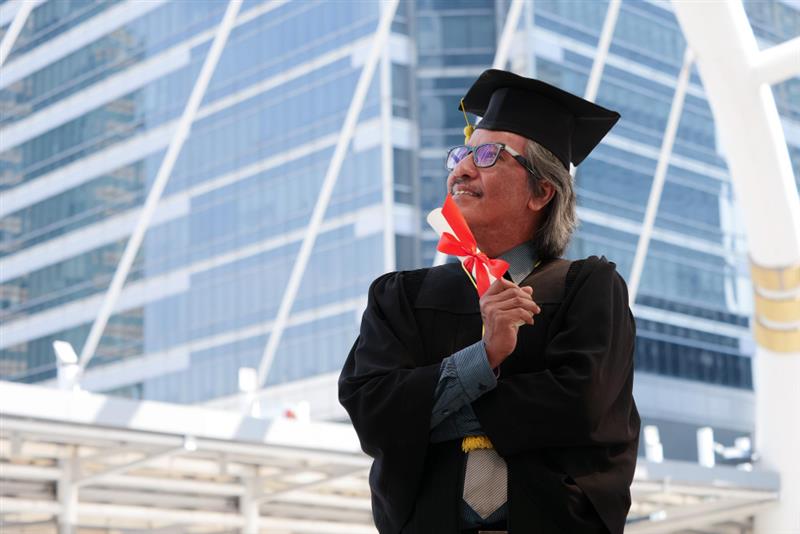
In 2026, more education leaders at the very top are choosing to go back to school. These are people who already run institutions and systems. Superintendents. University presidents. Provosts. Chief academic officers. Other C-level leaders who deal with pressure every single day.
They already hold authority. They already make high-stakes decisions.
Yet many still believe there is something to gain from earning a doctorate.
This trend is not about chasing credentials. It reflects a quiet shift in how leadership in education now works and what it demands from those in charge.
The Job Has Changed More Than Many Expected
Currently, the focus of school administrators should be on education outcomes as well as equity, access, and inclusion. Technological integration began from a support function to become a part of the education process.
At the same time, institutions still need stability.
C-level leaders sit in the middle of all this. They balance long-term strategy with daily operational issues. They manage budgets under pressure. They guide teams through change while answering to boards, regulators, and communities. Many leaders admit that experience alone does not always provide clear answers anymore.
Returning to study gives them space to think differently. It allows them to step back, reflect, and approach problems with more structure and clarity.
What Leaders Actually Gain From Doctoral Study
Doctoral programs are often misunderstood. They are not just about theory or academic writing. For many leaders, they are about learning how to think more carefully before acting.
A doctorate teaches leaders how to work with evidence. It trains them to question assumptions, examine root causes, and understand how systems behave over time. This is especially important in education, where quick fixes often fail.
Programs such as the Doctor of Education (Ed.D.) or Doctor of Business Administration (DBA) are intended for professionals who are already in leadership positions. These types of degrees are based on applied research and deal with issues faced in organizations. Leaders often study problems that come directly from their own institutions.
Through this process, many develop stronger decision-making habits. They plan more strategically. They gain a better grasp of how change actually happens inside complex organizations.
Credibility is Not a Side Benefit Anymore
At senior levels, credibility carries real weight.
Boards expect leaders to explain decisions clearly. Faculty want to know that policies are grounded in evidence. Communities expect transparency and accountability. A doctorate does not solve every problem, but it does strengthen a leader’s standing in these conversations.
For many executives, it also expands their voice beyond their institution. Some speak at conferences. Others contribute to policy discussions or publish their work. Doctoral training gives them the language and confidence to engage at that level without feeling out of depth.
Flexible Programs Make This Choice Practical
One reason this trend is growing is simple. Doctoral programs have changed.
Many universities now offer online or blended doctorates designed for working professionals. Courses fit around executive schedules. Residencies are short and focused. Research projects often connect directly to workplace challenges.
This flexibility matters. It allows leaders to study without stepping away from their responsibilities. It also keeps learning closely tied to real work, not abstract theory.
For many C-level leaders, this is what finally makes a doctorate feel possible.
The Numbers Point in the Same Direction
Recent data supports what many institutions are seeing.
In the United States, doctoral education reached a record high in recent years. During the 2022 academic year, about 57,596 research doctoral degrees were awarded, the highest number on record.
At the same time, leadership shortages remain a concern. Around 77% of organizations report gaps in senior leadership capacity. Education systems face similar challenges as roles become more complex and expectations continue to rise.
Not every doctoral graduate is a C-level leader. Still, these numbers reflect a growing demand for deeper expertise and stronger leadership preparation.
Learning Does Not Stop at the Top
The idea that leaders stop learning once they reach senior roles no longer fits reality.
Education leaders now operate in fast-changing environments. Technology evolves quickly. Policy priorities shift. Artificial intelligence is starting to influence decision-making across institutions.
Returning to school helps leaders stay grounded. It gives them a structured way to engage with new ideas instead of reacting to change as it happens. For many, doctoral study is about staying effective, not starting over.
Doctoral Study Supports Long-Term Thinking
C-level leaders are responsible for outcomes that take years to appear. Their decisions shape institutions long after they move on.
Doctoral study strengthens this long-term perspective. Leaders learn how to evaluate trends, assess risks, and understand how systems respond to change over time. This helps them move beyond short-term fixes and design strategies that can actually last.
In education, where results are slow and complex, this way of thinking matters.
Policy and Public Impact Are Part of the Role
Many senior education leaders spend time working with policymakers, regulators, and external bodies. They influence funding models, standards, and reform initiatives. Their decisions often affect more than one institution.
Doctoral education prepares leaders for this responsibility. Research skills help them evaluate policy outcomes. Writing and communication skills help them explain complex issues clearly to different audiences.
This combination of leadership experience and scholarly training allows leaders to contribute at a system level with confidence.
Thinking About the Years Ahead
For some leaders, returning for a doctorate is also about what comes next.
Executives’ jobs can be demanding as well as short-term in nature. Leaders also take time to think about their future contributions in their careers. A doctorate can assist in a transition into governance, consulting, research leadership, and teaching.
It enables one to move from running day-to-day activities to having broader influence. Additionally, there is an opportunity to share experience and mentor.
Why 2026 Feels Different
Several forces come together in 2026. Education systems are still adjusting after years of disruption. Technology adoption is accelerating. Equity and access remain urgent priorities. Public trust requires careful rebuilding.
C-level education leaders sense that this moment requires deeper preparation. Doctoral education offers a way to lead with evidence, reflection, and purpose. For many, going back to school is not a step backward. It is a deliberate move forward.
FAQ
What doctorate degrees do C-level education leaders usually choose?
Most choose applied degrees such as the Doctor of Education (Ed.D.) or Doctor of Business Administration (DBA). These programs focus on leadership practice and real organizational challenges.
Is a doctorate useful for leaders who already have experience?
For many, yes. A doctorate helps strengthen strategic thinking, research skills, and credibility in complex leadership roles.
Can senior leaders complete a doctorate while working?
Many programs are designed for working professionals and offer online or blended formats that fit executive schedules.
How long does a professional doctorate take to complete?
Most programs take between three and five years, depending on the structure and pace of study.
Why are leadership gaps becoming more common?
Organizations often struggle to find leaders who can manage complexity and guide change. Advanced education helps develop those skills.