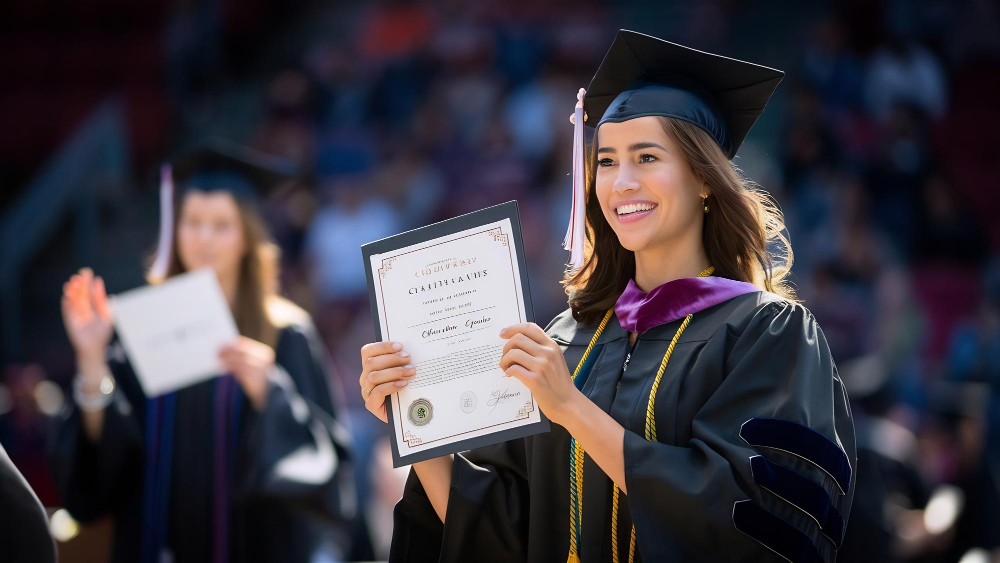
In most schools across the country, women are a steady presence. They teach the majority of classes, support students through challenges, mentor new staff, and handle responsibilities that often go unseen. Their work shapes the culture and daily rhythm of education.
Yet when leadership appointments are announced at the district or university level, the outcome often looks different. Superintendents and university presidents are still more likely to be men.
This gap raises a question. If women make up most of the education workforce, why are they less represented at the highest levels? Why do many women feel that they must earn additional credentials to be viewed as ready for leadership? The issue is not preparation. Many women in education have extensive experience and advanced degrees. The issue is how readiness is perceived and evaluated.
A Large Workforce and A Smaller Share of Leadership
Women dominate the teaching profession, especially in early and primary education. According to UNESCO’s 2025 Global Education Monitoring Report, women account for 93 percent of pre-primary teachers and 68 percent of primary teachers worldwide.Those numbers suggest a strong leadership pipeline.
However, women hold fewer percentage of top higher education leadership roles globally.The teaching workforce is mostly female but the top leadership roles are not.
Credentials as Proof
Leadership positions in education typically require graduate degrees and administrative certifications. On paper, the requirements are clear for everyone.
In practice, expectations can feel different.
Men are often described as having leadership potential. Women are more often described as highly qualified. The difference may seem small, but it reflects how authority is assumed.
Many women pursue advanced degrees not only for growth, but because they believe they must be fully prepared before applying for leadership roles. A master’s degree becomes expected. A doctorate can feel necessary. Extra certifications offer reassurance.
A recent survey on bias in education leadership found that many women reported facing greater scrutiny and higher expectations than male colleagues. When decisions are examined more closely, formal credentials provide clear evidence of expertise.
The Application Gap
The pattern often begins before hiring committees review candidates.
Across many professions, women are more likely to apply for leadership positions only when they meet nearly all listed qualifications. Men are more likely to apply when they meet some of them. In education, where job postings are detailed and credential-focused, this difference matters.
Some women delay applying for principal or district roles until they complete additional coursework. They want to remove any possible question about readiness. This approach is careful and strategic. By the time applications are submitted, women may have accumulated more formal preparation than their male peers.
The Visibility Factor
Leadership advancement is not based on effort alone. It often depends on which work gets noticed.
In many schools and universities, women take on a large share of responsibilities that keep institutions running smoothly. They mentor struggling students. They support new teachers. They step in to resolve conflicts. They manage communication with families. This work holds departments together. Yet it is not always the work that appears in formal evaluations or promotion discussions.
Much of this responsibility falls into pastoral and relational roles. Women are frequently asked to lead well-being initiatives, serve on student support committees, and guide colleagues through professional challenges. These contributions shape school culture and improve retention. Still, they are rarely described as strategic leadership experience.
At the same time, tasks tied to budgeting, policy development, facilities planning, or external partnerships are more likely to be labeled as executive preparation. These responsibilities are visible to boards, senior administrators, and hiring committees. They are easier to document and measure.
When leadership positions open, visibility matters. High-profile projects and measurable outcomes often carry more weight than the steady, behind-the-scenes work that sustains daily operations. As a result, candidates whose experience aligns with visible, strategic roles may appear more prepared for advancement.
This does not mean women lack interest in senior leadership. It reflects how certain types of work are valued. When key contributions are less visible, formal credentials can serve as clear evidence of leadership capacity. Degrees and certifications help shift attention toward documented qualifications, especially when everyday leadership has not been framed in those terms.
If promotion decisions continue to favor the most visible forms of leadership, patterns of representation at the top will be slow to change.
How Leadership is Interpreted
Even in a profession with a majority female workforce, traditional ideas about authority still influence decisions.
Confidence may be interpreted differently depending on who displays it. Direct communication may be praised in one candidate and questioned in another. These differences are often subtle, but they shape outcomes.
Because of this, credentials become especially important. Degrees and certifications offer something objective. They shift focus from personality to documented achievement.
When one candidate is assumed to be ready and another must prove readiness in detail, the standard is not equal.
Higher Education Shows the Same Pattern
The imbalance is not limited to K–12 schools.
Women earn graduate degrees at high rates and are strongly represented in education-related doctoral programs. Yet fewer than 30 per cent of top higher education leadership roles globally are held by women, according to UNESCO’s 2025 report that we mentioned earlier.
Many women pursuing presidencies or provost positions have extensive academic and administrative experience. Their qualifications are clear. Still, leadership outcomes remain uneven.
Why This Matters
Credentials are important. Educational leadership requires skill, preparation, and accountability.The problem is not high standards. The problem is uneven reliance on those standards.
If confidence fills gaps for one group but not for another, women will continue to rely heavily on formal qualifications to secure leadership roles.
Frequently Asked Questions
Why do leadership credentials seem more important for women?
Women often report facing greater scrutiny in hiring and promotion processes. Formal qualifications provide clear proof of expertise and can help reduce bias
Do advanced degrees help women advance?
Advanced degrees and leadership certifications strengthen applications and increase competitiveness. However, they do not completely remove structural bias.
Is the gender gap in education leadership closing?
There has been progress in some roles, particularly among principals. However, women remain underrepresented in superintendent and university president positions.
A Need for Consistent Standards
Women in education are not lacking experience or commitment. They are well represented throughout the profession and highly prepared. What remains is a difference in how readiness is judged.
Until leadership potential is evaluated with consistent expectations for everyone, credentials will continue to carry different weights. Education is built on principles of fairness. Leadership selection should reflect the same principle.